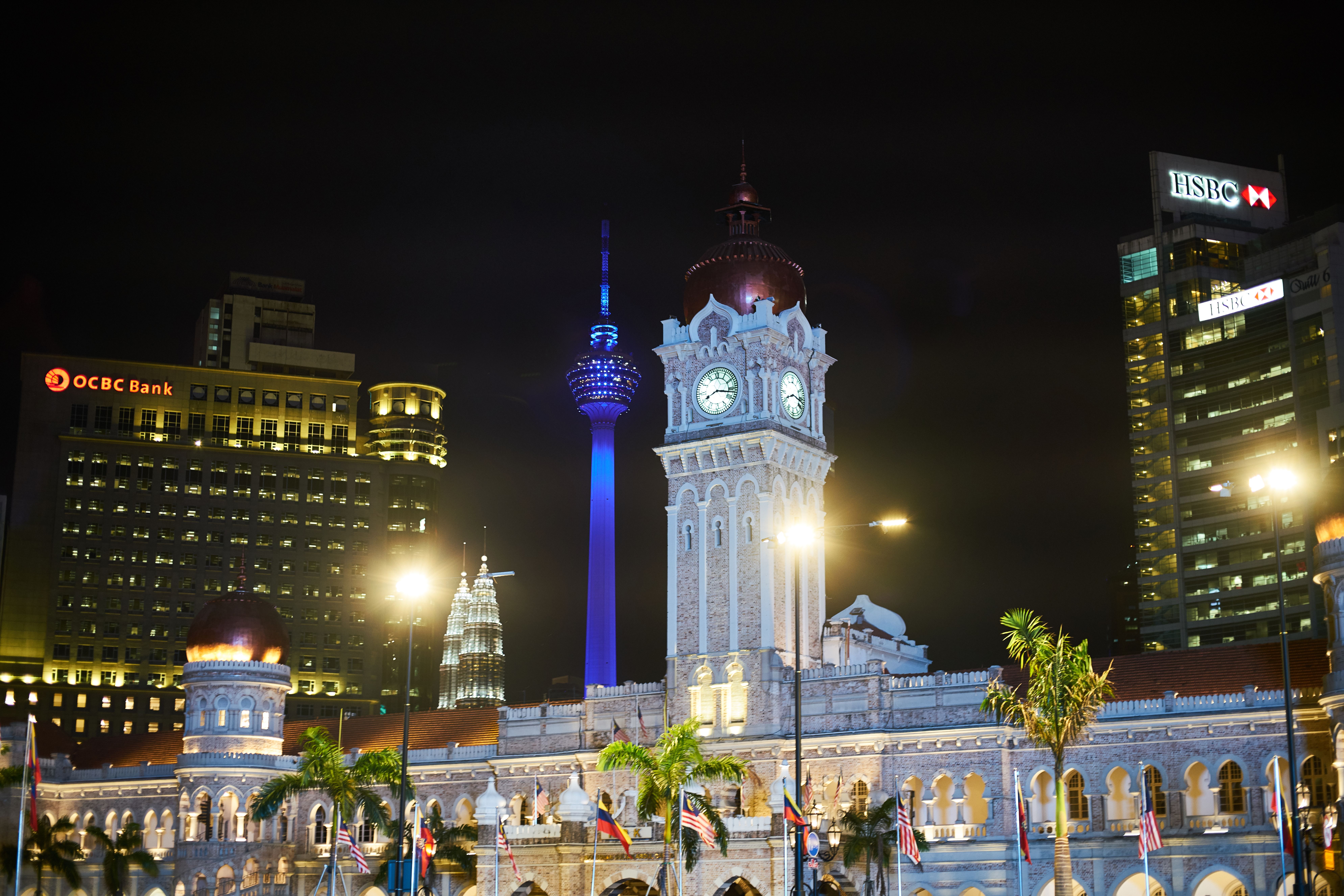
The 2025 Job Market: Who Is Hiring?KL’s economy is diversifying rapidly. While finance and oil & gas remain pillars, the real excitement is in the digital and green economies.1. Technology & Digital Services (The Growth Engine)With major investments from tech giants like AWS and Google, KL has become a data centre and cloud hub.In-Demand Roles: Cloud Engineers, AI Specialists, Cybersecurity Analysts, and Data Scientists.Top Employers: Huawei, AWS, Google, and a thriving ecosystem of fintech startups in Bangsar South.2. Banking & FintechKL is the heart of Islamic Finance in Asia. The sector is modernising, creating a hybrid demand for traditional bankers with digital skills.In-Demand Roles: Compliance Managers, Risk Analysts, and Blockchain Developers.Top Employers: Maybank, CIMB, RHB, and multinational banks like Standard Chartered and HSBC.3. Engineering & High-Tech ManufacturingDriven by the National Industrial Master Plan (NIMP) 2030, there is a resurgence in high-value engineering.In-Demand Roles: Automation Engineers, Project Managers, and E&E (Electrical & Electronics) Engineers.Salary Expectations in KLSalaries in Kuala Lumpur are the highest in the country, typically 20–30% higher than in second-tier cities.IndustryRoleAverage Monthly Salary (RM)TechSoftware Engineer5,500 – 12,000+TechData Scientist8,000 – 15,000+FinanceFinance Manager10,000 – 18,000+Digital MarketingSEO Specialist4,500 – 7,500EngineeringProject Engineer5,000 – 9,000Note: Senior and specialized roles often command significantly higher packages.Living in KL: Neighborhoods & LifestyleWhere you live defines your KL experience. The city is a patchwork of distinct neighborhoods, each with its own vibe.For the Young Professional: Bangsar & TTDIThe Vibe: Trendy, affluent, and packed with cafes, bars, and nightlife.Pros: Great social life, close to the city centre.Cons: Higher rent and traffic congestion. For Families & Expats: Mont Kiara & Desa ParkCityThe Vibe: Gated, secure, and green. Mont Kiara is known as the "expat enclave," while Desa ParkCity is famous for its pet-friendly parks.Pros: International schools, walkability (Desa ParkCity), and safety.Cons: Poor public transport connectivity; you will likely need a car. For the City Slicker: KLCC & Bukit BintangThe Vibe: Living in the heartbeat of the city, walking distance to work and luxury malls.Pros: Unbeatable convenience and connectivity via LRT/MRT.Cons: Expensive, noisy, and lacks a "community" feel.The Cost of Living (2025 Estimates)KL offers an affordable luxury lifestyle. A single professional can live comfortably on RM 5,000 – RM 6,000, while a family typically needs RM 10,000+.Rent:Studio/1-Bedroom in City Centre: RM 2,000 – RM 3,0003-Bedroom in Suburbs (e.g., PJ/Cheras): RM 2,500 – RM 3,500Food: A meal at a kopitiam (local coffee shop) costs RM 10–15, while a casual cafe meal is RM 30–50.Transport: The My50 Unlimited Travel Pass gives you unlimited use of all Rapid KL rail and bus services for just RM 50/month.Job Hunting Tips for KLMaster the Platforms: Beyond Hiredly, ensure your LinkedIn profile is optimised with keywords like "Kuala Lumpur" and your specific skills. Recruiters here live on LinkedIn.Network Offline: KL is a relationship-driven city. Attend events at co-working spaces like Common Ground or WORQ to meet industry insiders.Check Commutes: Before accepting an offer, check the distance from your potential home. A "10km" commute can take 45 minutes in peak hour traffic. Proximity to an MRT or LRT station is gold.Whether it will be your first job or a career change, make sure your resume is up-to-date with the help of our resume checklist. When you’re ready, kickstart your career with jobs on Hiredly today!